






















































Motoring & Home | A Guide to the UK
The connection between how we manage our vehicles and how we look after our properties is closer than most people appreciate https://pegdecking.com/. Both require regular maintenance, both benefit from forward planning, and both can quietly drain a household budget when minor problems are neglected. I have spent considerable time observing how UK property owners handle these twin responsibilities, often treating them as separate worlds when they in fact share the same underlying logic. This guide merges those two areas together, sharing practical knowledge into driveways and parking, garages, patio decking, storage, and the daily routines that ensure a home runs smoothly. It is aimed at anyone who wants to make smarter decisions around the place they live and the car they drive.
The Shared Logic of Vehicle and Property Care
Many people assume that car upkeep and home upkeep are as two separate task lists. In truth, they work on the same principle: regular, steady care avoids big, pricey problems. A vehicle that gets yearly servicing typically runs cheaper over five years compared to one that only visits a mechanic when a dashboard light comes on. The same holds for a timber deck, a garage door, or a driveway surface. Moisture intrusion, ultraviolet deterioration, and normal wear develop along predictable lines whether they affect an arch panel or a garden stair. Grasping this overlapping logic helps you plan a domestic budget that addresses both areas without frantic spending.
The crossover is most visible at the front of a property. The driveway is the place where car life meets household life. Oil stains, rubber marks, and road salt all end up on the same surface that guests walk over. A broken driveway can ruin vehicle tires, while an inadequately drained one can direct water toward home foundations. When I inspect a property, I look at how the vehicle access point interacts with the building shell. That particular zone often reveals whether an owner considers things together or handles the vehicle and the house as unrelated projects. The most efficient households often schedule both at once.
There is also a monetary case for this integrated strategy. Tradespeople who work on driveways frequently know drainage, and decking specialists frequently deal with site prep that impacts vehicle entry. Arranging connected jobs in one period can lower service visit charges, dumpster rental, and material delivery costs. A property owner who swaps out a decaying concrete driveway and a rotting garden deck during the same season may negotiate a better rate than someone who tackles them years apart. The financial benefits are not certain, but the synchronization itself lessens inconvenience and ongoing dirt. That is a concrete benefit worth organizing around.
The Driveway and Parking Area: The Vehicle Entrance to Your Home
A driveway is more than a place to store a car. It is the first surface your vehicle crosses, the route for deliveries, and often the main pedestrian approach to the front door. The material you select affects drainage, care, and how the front of the house looks from the street. Block paving is still common because it is long-lasting and can be fixed in small sections. Gravel is cheaper to install but slides under tyres and needs frequent raking. Resin-bound surfaces provide a seamless, permeable finish but require a stable base and professional installation. Each option has a distinct relationship with vehicle weight and turning forces.
Material Choices and Car Weights
Not every driveway surface handles equally well with the ongoing weight of a car. Tarmac is adaptable and handles heavy vehicles well, but it can soften in extreme heat and mark under sharp turning. Concrete is solid and long-lasting, yet it can crack if the sub-base was badly compacted. Permeable block paving allows rainwater to flow through gaps, which matters in areas where planning rules limit non-porous surfaces. When selecting, consider how many vehicles you keep, whether you own a van or SUV, and how often you turn the wheels while stationary. That turning motion puts high stress on the surface layer.
Ground preparation matters more than the top layer. A driveway is only as good as its sub-base. Most reputable installers will excavate to a depth of at least 150 to 200 millimetres and lay a compacted hardcore layer before adding bedding and the final surface. If this step is skipped or rushed, the driveway will sink, rut, or develop puddles within a few years. I have seen expensive block paving fail because the installer laid it over old soil and rubble. Always ask what is going under the surface you can see. The answer tells you more about the installer than the brochure does.
Water runoff is the other silent factor. A driveway that slopes toward the house can channel rainwater against brickwork and cause damp. Modern regulations often require new or replacement driveways to be permeable or to drain into a soakaway rather than the public road. Before any work begins, check whether your property falls under these rules. A good contractor will survey the slope and water flow before quoting. If they do not mention drainage, that is a warning sign. Water is the enemy of both cars and homes, and the driveway is where the two meet.
Workshop and Workshop Organisation for Automotive Enthusiasts
A garage could be a clean storage space, a working workshop, or a chaotic halfway house between the two. The difference hinges on planning. Many UK garages are narrow, often built for cars from a previous era, which means modern vehicles barely fit. Before investing in storage systems, measure your car with the doors open and decide whether the garage will actually house a vehicle. If it will, wall-mounted shelving and ceiling racks become essential because floor space is precious. If it will not, you have more freedom to build a bench and tool wall.
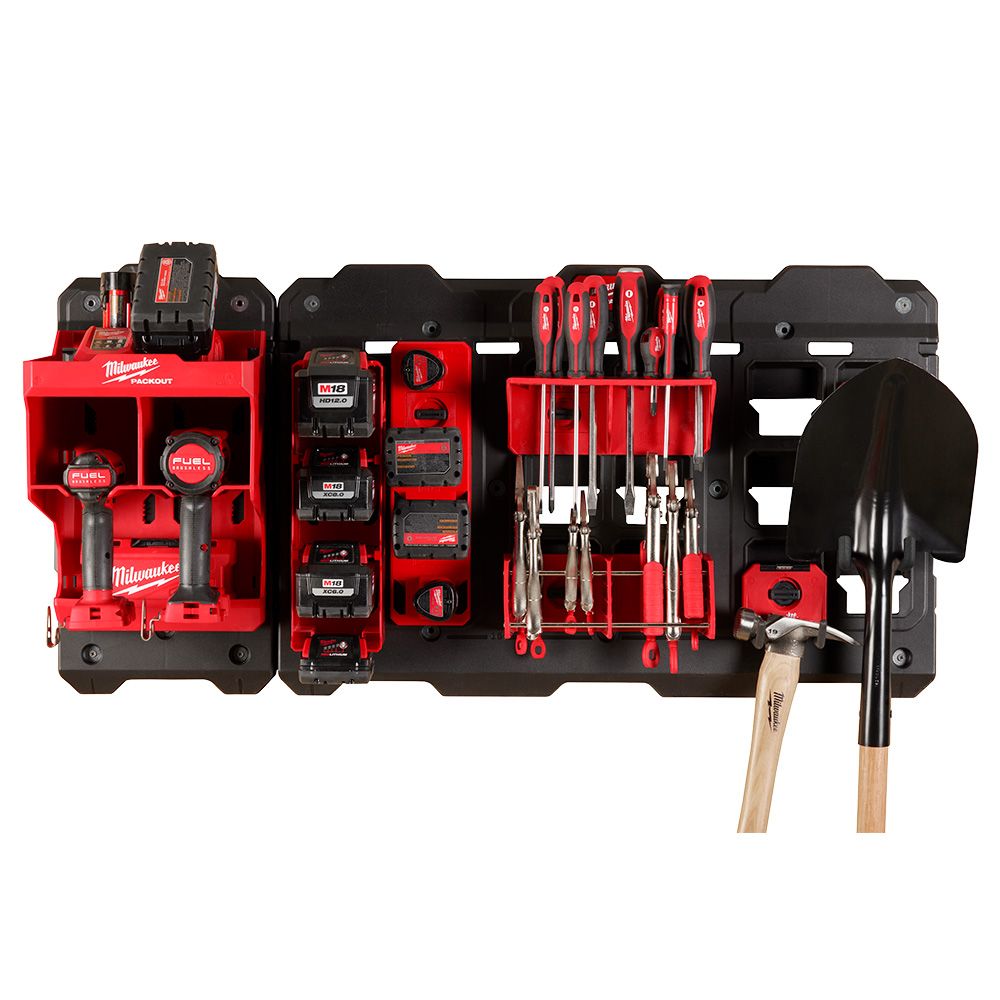
Vertical storage changes a small garage. Wall panels with hooks keep spades, bike frames, and extension leads off the floor. Overhead racks can hold seasonal items like roof boxes, camping gear, or spare wheels. The key is to keep heavy items low and light items high. A full jerry can or toolbox should never sit above head height. I also recommend labelling every box, even if you think you will remember. Six months later, a label saves a frustrating search. Simple magnetic strips for screwdrivers and spanners cost little and make a workbench far more usable.
Flooring is often overlooked in garages. Bare concrete produces dust and absorbs oil spills, leaving permanent stains. A two-part epoxy floor coating seals the surface, resists chemicals, and makes sweeping much easier. Interlocking PVC tiles are a quicker alternative that can be lifted and moved if you leave the property. Both options cost more than leaving the concrete bare, but they change how the space feels and how easy it is to keep clean. For anyone who works on their own car, a sealed floor also means dropped bolts are easier to find and less likely to roll into a dusty corner.
Storage Solutions That Benefit Both Car and Home
Storage is the quiet infrastructure of a well-run property. The things you need for your car, such as screen wash, oil, jump leads, and a tyre inflator, should be easy to reach without crowding the house. The things you need for the garden, such as decking cleaner, wood treatment, and tools, should not stay in the garage rafters where they are tricky to retrieve. A straightforward zoning system functions well. Dedicate one shelf or cabinet to automotive items and another to garden and decking supplies. Keep a small caddy for frequently used items so you can transport them to the car or the deck in one trip.
- Opt for clear, stackable boxes for seasonal items like ice scrapers, sun shades, and decking oil.
- Fix a wall rack for long-handled tools such as brooms, rakes, and a car wash brush.
- Keep heavy items like bags of sand or compost on a low shelf, never above waist height.
- Keep a spill kit with absorbent granules, gloves, and a bin bag near the garage door.
- Mark every box with its contents and the season when it is most likely to be needed.
Outdoor storage needs to withstand damp and temperature swings. A plastic garden chest can hold decking brushes and cleaning products, but it should be elevated off the ground on small feet to allow airflow. Metal cabinets rust unless they are powder-coated or galvanised, so inspect the finish before buying. For car care products, avoid storing aerosols and solvents in direct sunlight or in a shed that gets very hot in summer. A cool, dry, lockable cabinet is the best option. The goal is to safeguard both the products and the surfaces they will be used on.
Think also about access. The best storage system falls short if you cannot reach what you need without moving three other things. Place the most frequently used items at eye level or on the front of shelves. Cycle seasonal items as the year changes. In October, move the de-icer and decking winter treatment forward. In April, move the car polish and decking cleaner to the front. This rotation takes ten minutes and avoids the frustration of digging through boxes while rain soaks the driveway. It also means you truly use the products you bought, rather than buying duplicates because the originals were lost.
Decking for the Garden as an Addition of the Home
Decking lies at the boundary between house and garden, and it operates best when handled as an outdoor room rather than a independent platform. The same rules that relate to indoor flooring hold here: a level base, adequate support, and the right material for the predicted traffic. Softwood decking is budget-friendly but demands annual treatment and will endure around ten to fifteen years with care. Hardwood prices more upfront but withstands rot and insects for decades. Composite boards stand in the middle, delivering low maintenance with a higher initial price. Each choice influences how the deck senses underfoot and how it weathers through a British winter.
Substructure and Lifespan
The frame under the boards decides how long the deck survives. Joists should be pressure-treated timber or, increasingly, recycled plastic or aluminium. They must be spaced according to the board width, usually no more than 400 millimetres apart for standard softwood. If the deck is raised, the posts need concrete footings that extend below the frost line. A deck built directly on soil without a proper frame will move, creak, and eventually rot from the underside. I always recommend homeowners to check the substructure before the boards go down. Once the top layer is fixed, the important work is hidden.
Air circulation is another aspect that distinguishes good decks from those that fail. Air needs to flow beneath the boards to keep the timber dry. If a deck is built tight to the ground with no airflow, moisture collects and accelerates decay. A gap of at least 150 millimetres between the ground and the underside of the joists helps. Where that is not possible, a weed membrane and gravel layer can reduce moisture rising from the soil. These are not glamorous details, but they add years to the life of the deck. A specialist will always address them before quoting.
Decking also transforms how you use the garden. A well-placed deck offers a level surface for seating, a barbecue, or a children’s play area. It can span a change in ground height and make a sloping garden usable. The position matters as much as the construction. South-facing decks get full sun but may require shade. North-facing decks stay cooler and can feel damp in winter. Reflect on how the deck connects to the house. A door that opens directly onto a deck at the same floor level feels seamless, while a step down of more than 150 millimetres becomes a trip hazard.
Car Care Routines That Protect Your Property
The way you care for your car has a direct effect on your home. Oil leaks stain driveways and can be carried indoors on shoes. A car that drips coolant produces a slippery, toxic residue that affects pets and plants. Brake dust and road salt accumulate on wheels and then spread to the driveway, where they hasten surface wear. Simple routines minimize these risks. Check under the car once a month for fresh drips. Tidy spills immediately using a dedicated driveway cleaner or cat litter to soak up the oil before it gets into the surface. These small habits safeguard both the vehicle and the property.
Washing the car at home is common, but the runoff matters. Detergents, waxes, and degreasers can flow into drains or soak into garden soil. Many modern car shampoos are biodegradable, but that does not mean they are harmless to plants. If you wash on the driveway, try to direct water away from planted beds and avoid washing over a deck. A better option is to utilize a dedicated car wash area with a drainage channel, or wash the car on the lawn where the grass can purify the water. The same holds to engine degreasing, which should never be performed near a soakaway or water feature.
Seasonal checks link automotive care to home care. In autumn, clearing leaves from driveway drains stops standing water that can freeze and crack surfaces. In winter, road salt accelerates corrosion on steel car parts and stains concrete. Rinsing the underside of the car and sweeping the driveway after cold snaps lessens long-term damage. In spring, check the garage for damp and the deck for moss growth. These are not separate chores; they are one routine implemented to different surfaces. A household that connects them conserves time and avoids the worst effects of weather.
Planning Projects Considering Weather, Budget, and Access
Timing matters for automotive and home projects. Decking installation is best done in spring or early autumn, when the ground is dry enough to work but not frozen or waterlogged. Driveway work also depends on weather, because laying asphalt or resin in heavy rain spoils the finish. Car maintenance is not as seasonal, but tasks like rust treatment and underbody sealing work better in warm, dry conditions. If you plan a major outdoor project, think about how it will influence vehicle access. A new driveway means parking somewhere else for several days. A deck build may close off the side passage where you house the car cleaning kit.
Budget planning should factor in the hidden costs that emerge after the main work. A decking project may expose rotten wall plates or a drain that must be moved. A driveway replacement may expose a collapsed soakaway or a tree root that must be removed. Set aside ten to fifteen percent of the project cost for these contingencies. For car maintenance, the same principle holds. A brake pad change can uncover a seized caliper. A service can find a leaking shock absorber. If you only plan for the visible work, you will be surprised. A contingency fund transforms a crisis into a manageable adjustment.
- Consult the long-range weather forecast before scheduling outdoor work.
- Speak with the contractor about vehicle access, skip placement, and material storage.
- Verify whether the work requires planning permission or building regulations approval.
- Secure at least three written quotes and compare the sub-base or substructure details, not just the price.
- Set a payment schedule tied to completed stages, never the full amount upfront.
- Capture the area before work begins, including any existing cracks or damage.
Access is a real-world issue that is often overlooked. If your car is normally parked on the driveway, where will it go during the work? Some contractors can keep a narrow strip open, but many need the full area clear. Street parking may require a permit, and neighbours may complain if a skip blocks their access. Talk to the contractor about the working area before you sign anything. For decking projects at the rear of the house, materials may need to be moved through the garage or side passage. Shield the route with boards or tarpaulins to avoid ruining floors and door frames.
Finally, consider how the finished project will be maintained. A new deck demands cleaning and re-oiling, typically every year for softwood and every two to three years for hardwood. A new driveway may need occasional re-sanding of block paving joints or a fresh seal coat. A garage floor coating requires sweeping and occasional mopping. These tasks are not difficult, but they do take time. Before you commit to a project, ask yourself whether you are willing to carry out the follow-up work. If not, choose a lower-maintenance material, even if it costs more initially. The true cost of any surface is the purchase price plus the years of care that follow.
I have seen too many properties where a beautiful deck or driveway was installed and then left to deteriorate because the owner did not plan for upkeep. The same takes place with cars that are washed once after purchase and then never protected again. The solution is not to avoid nice things. It is to pick materials and routines that match your actual habits. A busy household may be better with composite decking and a resin driveway than with high-maintenance softwood and block paving. The best guide is honesty about how much time you will realistically spend on care. That honesty preserves money and frustration over the long term.
